
How to Choose the Right Focus Keywords for SEO
Choosing the right focus keyword is essential for improving search rankings, attracting relevant traffic, and growing your website’s topical authority. Targeting the wrong keyword can waste SEO efforts, reduce conversions, and create keyword cannibalization.
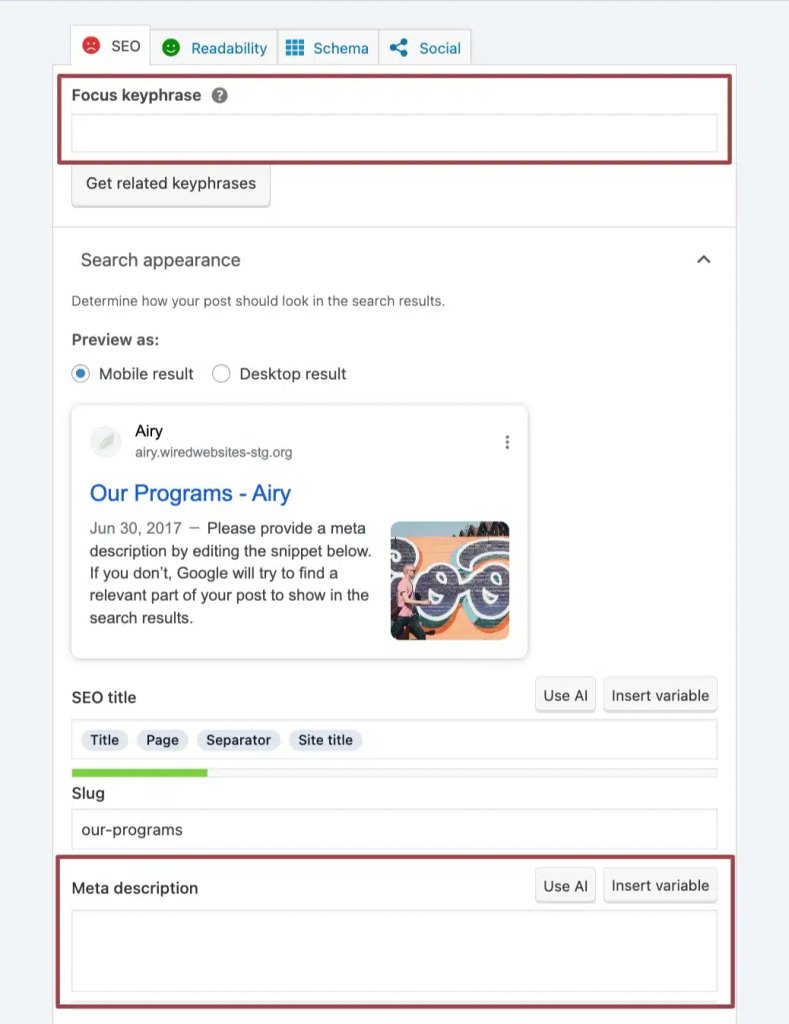
What Is a Focus Keyword?
A focus keyword is the primary search term you want a webpage to rank for on Google. Every page should target a clear search intent and provide valuable, relevant content that meets users’ needs.
Why Are Focus Keywords Important?
The right focus keyword helps you:
Match content with search intent.
Improve organic visibility and rankings.
Attract qualified traffic and potential leads.
Avoid keyword cannibalization.
Build topical authority through relevant content.
SEO tools like Yoast SEO, Surfer SEO, and MarketMuse can help optimize content, analyze competitors, and identify relevant keywords.
How to Choose the Best Focus Keyword
1. Conduct Keyword Research
Use tools like Semrush, Ahrefs, and Google Keyword Planner to discover relevant keywords, search volumes, competition, and ranking opportunities.
2. Use Keyword Clustering
Group keywords with similar search intent to determine which terms belong on the same page and which need separate content.
3. Analyze Search Intent
Check Google’s search results to understand whether users want information, products, or services. Your content should match the intent behind the query.
4. Target Long-Tail Keywords
Long-tail keywords are often more specific and less competitive, making them useful for attracting relevant visitors and potential customers.
5. Review Existing Rankings
Use Google Search Console to identify queries generating impressions and clicks. Optimize existing pages based on actual performance data.
What Happens If You Choose the Wrong Focus Keyword?
Targeting irrelevant or overly broad keywords can lead to poor rankings, low click-through rates, irrelevant traffic, and keyword cannibalization. It can also cause content optimization tools to recommend topics that do not match your audience’s needs.
For example, a Japanese knotweed removal company should target specific phrases like “Japanese Knotweed Removal Company” rather than relying solely on the broad term “Japanese Knotweed.”
Best Practices for Focus Keyword Selection
Prioritize search intent over search volume.
Analyze competitors and current SERP results.
Choose realistic keywords based on ranking difficulty.
Optimize one primary topic per page while naturally covering related terms.
Use supporting keywords to expand topical coverage.
Monitor rankings, impressions, clicks, and conversions.
Frequently Asked Questions
Q. Can one page target multiple keywords?
A. Yes. A well-optimized page can rank for multiple related keywords when they share the same search intent.
Q. How can I check keyword search volume?
A. Use Semrush, Ahrefs, Google Keyword Planner, or other keyword research tools.
Q. How do I identify the wrong focus keyword?
A. Warning signs include low organic visibility, high impressions but low CTR, irrelevant traffic, poor engagement, and multiple pages competing for similar search terms.
Final Thoughts
Choosing the right focus keyword is the foundation of an effective SEO content strategy. Combine keyword research, search intent analysis, keyword clustering, and Google Search Console data to create content that ranks for relevant searches and attracts the right audience.