
Lead Nurturing Strategies: How to Convert More Leads
Generating leads is only the first step. Lead nurturing strategies help businesses build relationships with prospects, maintain engagement, and turn interested leads into paying customers.
Effective nurturing means providing the right information at the right time. Businesses can use email marketing, content marketing, social media, personalised communication, and timely follow-ups to keep prospects engaged.
What Is Lead Nurturing?
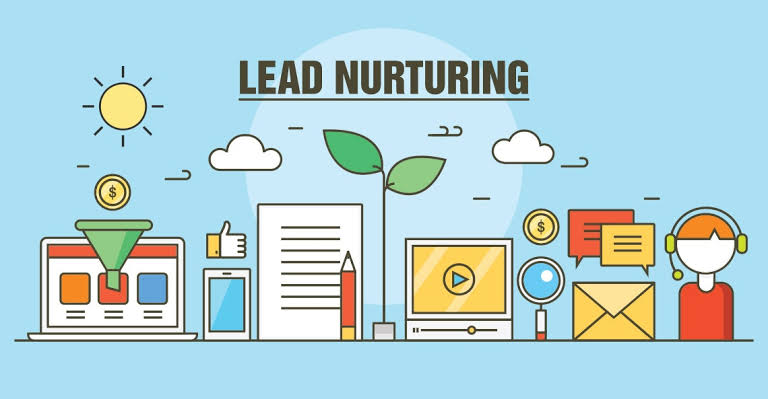
Lead nurturing is the process of developing relationships with potential customers throughout their buying journey. To build trust, businesses provide personalised content, relevant information, and targeted offers based on each prospect’s needs.
As a result, a strong lead nurturing strategy can improve conversion rates, shorten the sales cycle, and increase customer loyalty.
3 Key Elements of Lead Nurturing
1. Lead Segmentation
First, divide leads based on demographics, interests, behaviour, engagement, and their position in the sales funnel. This approach allows businesses to deliver more relevant messages to each audience.
2. Personalised Content
Next, create content that matches each lead’s needs and interests. For example, businesses can use emails, blog posts, videos, case studies, webinars, and guides to answer questions and address common buying concerns.
3. Timely Follow-Ups
Consistent follow-ups are also essential for successful lead nurturing. Contact prospects after they download content, submit a form, request information, or show buying intent. In addition, automated email sequences can maintain engagement without overwhelming potential customers.
Effective Lead Nurturing Strategies
- Email marketing: Send educational and promotional emails based on each lead’s interests and behaviour.
- Drip campaigns: Use automated email sequences to gradually guide prospects through the sales funnel.
- Content marketing: Publish useful blogs, guides, videos, and case studies that address customer problems.
- Social media engagement: Respond to comments and messages while sharing valuable industry information.
- Personalised outreach: Contact high-intent leads with relevant recommendations and solutions.
- Lead scoring: Rank prospects based on actions such as website visits, email engagement, content downloads, and enquiries.
- Retargeting: Re-engage website visitors who have interacted with your business but have not converted.
- Case studies and testimonials: Showcase real customer results to strengthen credibility and build trust.
Lead Nurturing vs Lead Generation
Lead generation focuses on attracting and capturing potential customers. In contrast, lead nurturing develops relationships with those prospects and encourages them to move toward a purchase.
Therefore, lead generation brings prospects into the sales funnel, while lead nurturing helps turn those prospects into customers.
Who Handles Lead Nurturing?
Both marketing and sales teams play an important role in lead nurturing.
The marketing team typically manages content, audience segmentation, email campaigns, and automation. Meanwhile, the sales team focuses on high-intent leads through personalised conversations, consultations, and follow-ups.
When both teams work together, businesses can provide a more consistent customer experience throughout the buying journey.
Conclusion
In conclusion, effective lead nurturing strategies combine segmentation, personalised content, timely follow-ups, automation, and lead scoring. By delivering useful information at every stage of the customer journey, businesses can build stronger relationships, increase conversions, and generate long-term customer value.